Treating Founder (Chronic Laminitis)
without Horseshoes, Section 18
(Version with
full-sized photos)
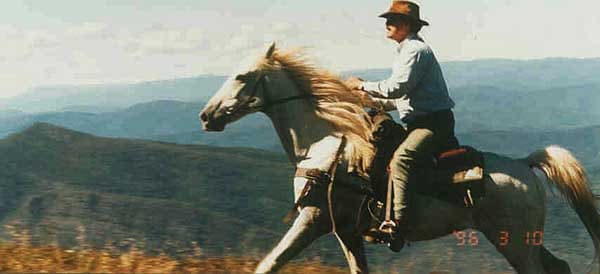
Riding Horses Barefoot
I have spoken with Jaime a couple of times, and he tells me he felt he had to recommend shoeing riding horses in his first book because he did not want to be responsible for people running out and pulling the shoes and riding on gravel roads the very next day. He tells me it takes a good year of being barefoot and getting plenty of exercise to build up enough sole and wall "callous" (thickness) to ride barefoot successfully. Further, he says that if you want your horse to be rideable on rocky terrain, he needs to be pastured where there is at least some rocky terrain so his hooves can adapt to it. In the interim, he favors something like Easy Boots, Swiss Horse Boots, HorseSneakers (my first choice) or Indian style rawhide boots until the soles and walls thicken up enough.
However, removable hoof boots are a temporary aid in the transition to barefootedness. We are not talking forever! Keep in mind that if you are going to work your horse on gravel, he will never adapt to it if he is on soft footing most of the time. Horses living 24/7 on soft ground may always need boots to be worked on gravel. To get a horse used to rocky ground, he has to live on rocky ground.
Hunting for a deal on removable hoof boots? Or have some you bought in the wrong size? Check out my complimentary hoof boot swap/sales page: Click HERE for boot listings
Dr. Strasser emphasizes that it takes close to a year after circulation has been enhanced through proper and frequent trimming and constant movement for the stronger, thicker walls and soles and the stronger laminae to grow down all the way. This agrees with Jaime Jackson's thinking, also. Until this stronger, thicker growth comes all the way down, removable boots for riding are very helpful. I would like to add, on a personal note, that Max's hooves are a lot thicker of late...and more work to trim!
From an email from Mary Ann Kiger--
| "I have a friend who tells me it took 18 months for his horse to become comfortable with bare feet and he could lope him across gravelly ground without hurting him. Now he has to stand him in a tub of water to soften his feet enough to trim him, or use an electric grinder. I can't imagine that my horse will ever have feet that tough, but even if I never wean him off the Horsneakers I believe his feet will be much healthier than if shod." |
(UPDATE a year later on Mary Ann Kiger's horse--I recently saw a letter in Jaime Jackson's newsletter from "MAK" bemoaning how difficult it was to trim her horse's rock-hard hooves, and asking if he recommended Dremel grinders or the like. I wrote her, and she confirmed that this was her letter! She never thought her horse would get hooves this strong. What a nice thing to be proven wrong on!)
Believe it or not, you can do this eventually! It takes frequent, correct trimming, 24 hour freedom to move about and exercise on varied terrain. The increased circulation resulting from all this will eventually enable the horse to grow much tougher, stronger feet.
One thing I found at the Strasser hoof clinic class was that the unshod feet were a lot harder to trim than the shod feet, because the shod feet were a lot softer.
Indian style rawhide horse boot--From Jaime Jackson's "The Natural Horse"
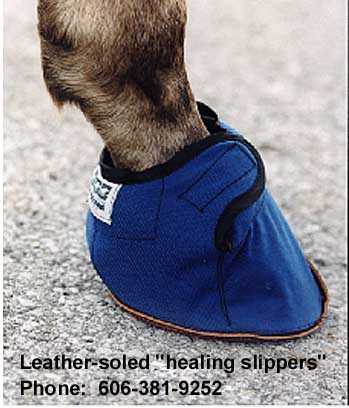
Breathable, leather-soled "healing slipper"--available at
606-381-9252
Very light duty--good for holding bandages onto sore horses, about $35 each.
Another source:
http://www.bluegrass-equine.com/products/11/the-equine-slipper

"La Boot," breathable leather walking slipper
designed by Diane Coogias, SHP.
Sadly, Dianne died of cancer April 29, 2005.
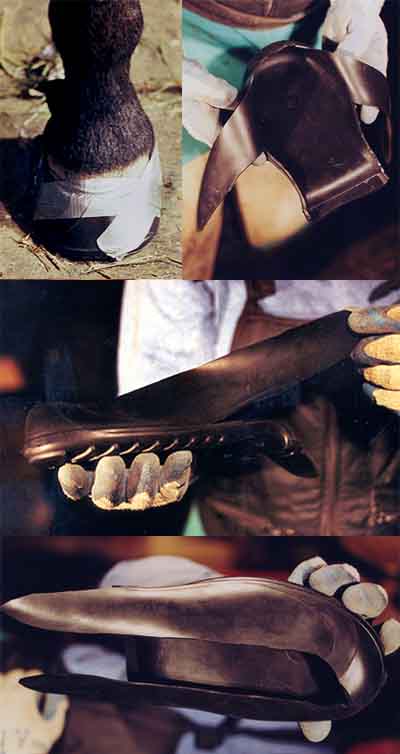
Converting Tingley rubbers to hoof boots--Cheap $14-15
a pair
Available in farm supply and shoe stores everywhere in men's sizes.
Limited durability and have to be taped on with duct tape, though.
Slide hoof into boot's toe, pull boot sole over heels, pull sides around
and over the heels, and duct tape on. Very adjustable and light.
(Tingleys work better than Totes--I tried both. 3-M the best tape.)
Thanks to Cindy Kunkel for coming up with this method!
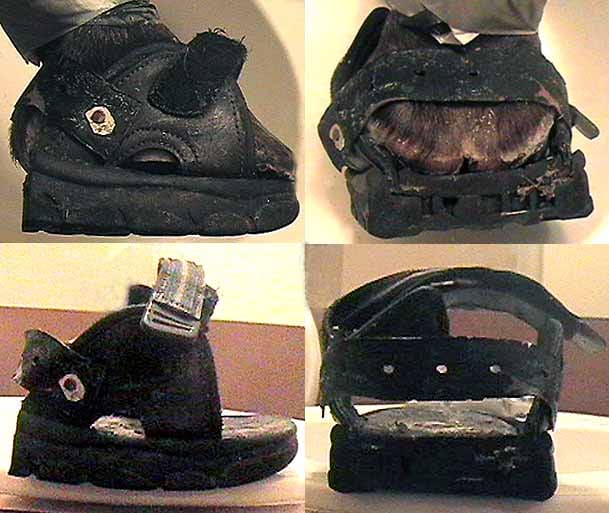
Converting men's sandals to hoof sandals--Linda
Coffield bought
some size 10 men's sandals in a thrift shop for $5. She cut the back
half of the sandals off with a power saw, and attached straps over
the heel bulbs to the original sandal toe straps. Breathable, low cost.
Thanks to Linda Coffield for sharing this method!
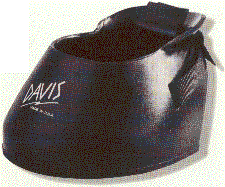
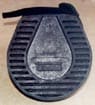
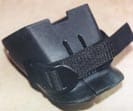
Davis barrier boot--more info, http://www.davismanufacturing.com/home.htm
Available online: www.TheHorsesHoof.com
Cheap, easy to find, but fall off too easily when riding.
Also, less frog support. Fit contracted feet better.
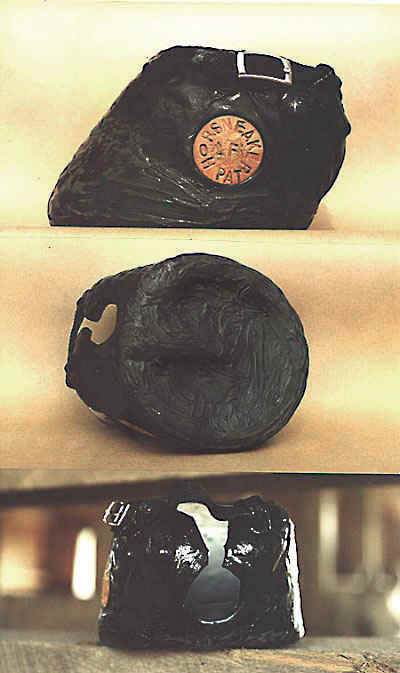
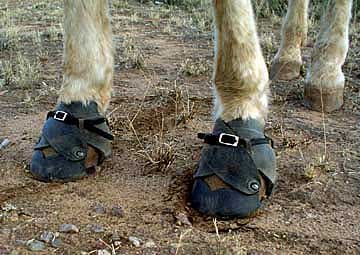
HORSESNEAKERS!!! Removable boots CUSTOM MADE FROM MOLDS OF
YOUR HORSE'S FEET!! (Also made in semi-custom sizes for a bit less money; you send
measurements.)
For info: Frank Orza, PO Box 433, Sonoita, AZ 85637. Phone: 520-455-5164
Fax: 520-455-5171
HorseSneaker@HorseSneaker.com
http://www.HorseSneaker.com
(Credit card orders accepted.)
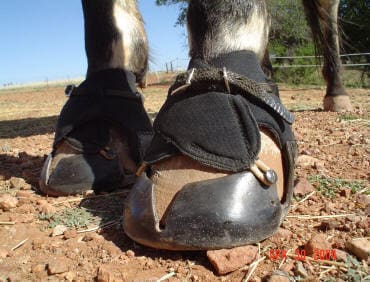
More money than off-the-rack boots, but worth it if they eliminate some of the soring problems from poor fit, or losing ill-fitting boots out on trail. Frank developed these for his own foundered horses so they could have the benefits of being barefoot, having mustang-shaped feet, and still be rideable on rocky terrain. Easy Boots and Swiss Horse Boots do have their drawbacks. Frank claims he has had super results making lame animals useable with these. They have excellent shock absorption, and better traction than metal shoes. They are only put on when you ride--the rest of the time, the horse is kept barefoot. He is a friend of Jaime's, and endorses Jaime's ideas on trimming and his research on wild horse feet. They have the best frog support of any removable boots.
When I put Max's HorseSneakers on him, he moves forward more freely, and is not bothered by gravel roads. These protect from stone bruises more effectively than open shoes do. They protect as well as shoes with full pads, without having the disadvantages of being on all the time, trapping moisture and infection, like full pads and shoes would.
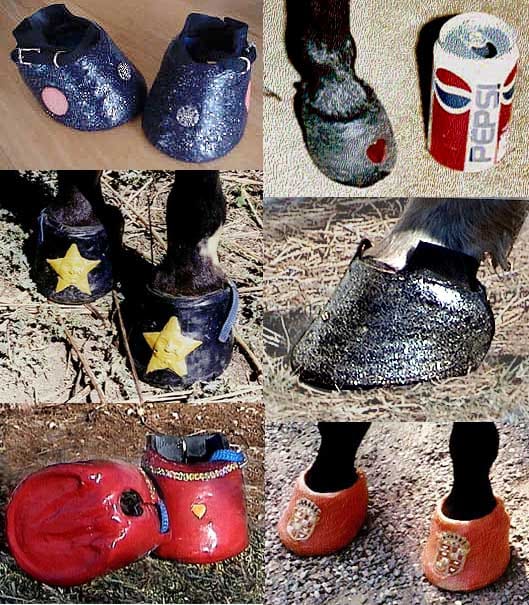
HORSESNEAKERS
(Newer versions above--older below.
Available with custom colors and decorations.
Photos courtesy Frank Orza.)
How I wish I had known about these things back in 1989 when I began driving Max! I could have prevented so much damage! I began driving him on blacktop roads in '89. While he had done OK on softer ground when I was just riding him earlier, driving him on the blacktop in metal shoes rapidly created a host of problems. The vibration and concussion of the hard surface was amplified by the metal shoes; his walls would be chunking out around the nail holes and within a couple of weeks after a reset, his shoes were ready to fall off. He got a mild degree of road founder, with 2 degree rotation and soreness. Further, his hocks came up sore and needed Adequan injections. If only we had been using HorseSneakers! He would have had superior traction and concussion absorption, and driving him on blacktop would not have hurt him. As it was, I gave up driving him except on softer ground out in the field, and just rode him on soft ground again back in '90.
Besides, where else can you get removable boots to fit a Shire?!? Frank is actually making some boots for feet that are off the charts size-wise.
A HorseSneakers testimonial letter:
This letter also describes many of the problems I faced with Easy Boots. They really rubbed the coronet bands and heel bulbs raw on the horses I used them on. If I left them on any length of time, they got the animals ouchy; I believe the pressure on the quarters was why this happened.
Re Swiss Horse boots--if your horse's quarters are fully widened and his hoof shape very compact from front to back, you probably have feet healthy enough that you have no need to read this article! Foundered horses usually have a long oval foot print, which we hope to eventually transform with frequent correct trimming. But in the meantime...the shape of Swiss Horse Boots isn't workable because it's very short from front to back, and very wide. It really sored my horse's heel bulbs to put him in a set of these that were too short from front to back. When I put the next size up on him, they were so sloppy wide that they were turning and coming off. You can rivet in leather spacers to narrow the sides and improve fit, but it is a hassle, and not as good as something that REALLY fits in the first place.
| From: Mary Ann Kiger To: Gretchen Fathauer gretchenfathauer@ee.net Date: Monday, March 08, 1999 1:48 AM Subject: HorseSneaker feedback? They
are wonderful! I'm so glad I found them! They've been through all When I used Easy Boots I hammered down the sharp points as flat as I could, and cut the rubber that goes above the coronary band at the bulbs down to the bottom, below the strap at the back. I then cut the rubber all the way around so that all of the boot was below the coronary band. I was then able to quit using vetwrap; but in order to keep them on I had to put the boots on so tight that I had to step on the buckle to get it down, and use a hoofpick to pry the buckle back up to get the boot off. I had a feeling that this was not a good thing to do, so I wasn't really surprised when I saw bruises on his hoof walls. If he didn't have white feet I wouldn't have seen them. Another bad thing about Easy Boots is that they are front foot shaped. I guess there is more of a need for protection on front feet than hind, though. Right now his feet are separating in the same parts of the wall as they did last year
and there is blood in the white lines in some places. So I won't be reporting swift
improvement in hoof quality, but I fully expect it to happen. The first things I'll
expect to see is the hoof wall to become smooth and the while line to clear. I do
think he is really comfortable in them since he has been more energetic since I got
them. The first day I rode him in them was really dramatic (in fact I was
telling myself I could always take them off if he got to be too much for me!),
but he had been newly barefoot for the 2 weeks before and a was little ouchy. |
Frank Orza recognizes that while you are working on a bringing a foundered horse back, his feet will change shape enough that he will be needing to change boots. His current designs will also accommodate some of the heel expansion that you will get as your horse's foot shape improves. He is offering Hoof Wings in a number of sizes, and will increase the size range available over time.
Many people will advise you to wait until your horse's foot shape stabilizes more before ordering HorseSneakers. However, in the earlier phases of recovery, the horse needs protection and relief even more than he will later after the hoof shape improves. I loaned out a pair of Max's to a mare owner whose mare had sole penetration and was extremely sore. Even though they were a little big, they at least enabled the mare's feet to remain cushioned and clean until her soles filled back in. She wore them constantly for a month or two, but they were removed to clean and dry her feet at least once a day. This may have been an important factor in getting her through the really rough period. Hoof Wings might have been a better option, but they have only recently become available. Also, the HorseSneaker people have loaners they rent out as well.
| From: Bonnie showtell@inficad.com To: Gretchen Fathauer gretchenfathauer@ee.net Date: Tuesday, July 27, 1999 10:53 AM Subject: Re: Getting It Frank Orza was here on Sunday and took impressions of Dancer's feet for HorseSneakers. He said Dancer was walking on the soles of his feet, and trimmed the quarters so they won't touch the ground. He also saw signs of founder in two feet (right front, right rear) and said he may have foundered some time ago as well, although not too badly. Dancer is walking MUCH better now. Also, they tried a pair of HorseSneakers on him from one of their
horses. Amazing. I took Dancer for a walk, and after about 10 seconds used to get
accustomed to the feel, Dancer walked with tremendous reach in front. I've known
this horse for over 6 years, have owned him for 3 years, and have NEVER seen him reach
like that in front. So this does, indeed, look very promising. |
Frank Orza will also resurface your HorseSneakers. With this "re-treading" option, you can get hundreds and hundreds of miles on a set. Carriage companies have used them, for instance. They offer superior traction and shock absorption on city streets and rocky ground.
He will also put in magnetic insoles, if that idea appeals to you.
Sabine Kells tells me she has someone making boots with 1/4" leather soles fairly cheaply, which are another alternative for tiding over a really sore, thin-soled horse.
There is another custom-made boot available, Sabre Sneakers. Somewhat cheaper than HorseSneakers, but not nearly as suitable for riding because of their bulk and because the strings will probably come untied in mud. However, they can be custom made from tracings of your animal's feet. Not suitable for fast work, while HorseSneakers are. Sabre Sneakers were originally developed for for a horse who had just had a resection, and did not have enough wall to nail shoes to. For somewhat less money, they have standard, off-the-rack Sabre Sneakers in standard horseshoe sizes. www.sabresneakers.com and 203-274-6551.
To order Sabre Sneakers in
standard sizes:
www.sabresneakers.com/orderinganddealers.html
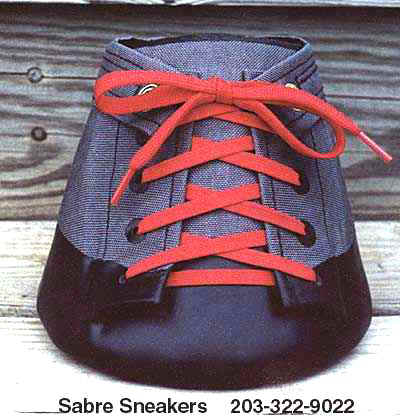
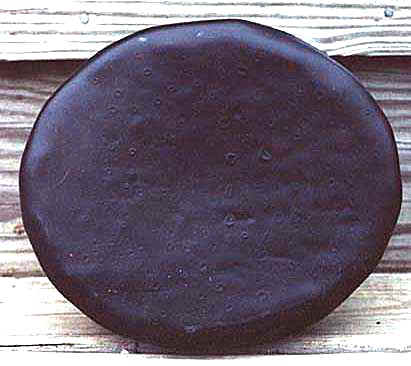
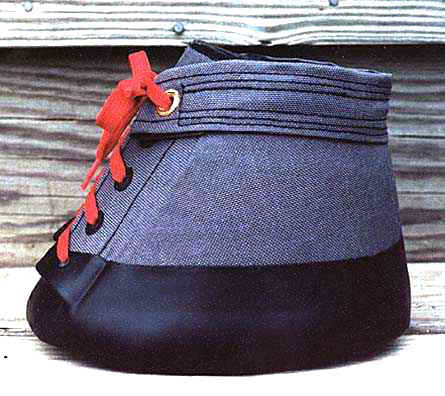
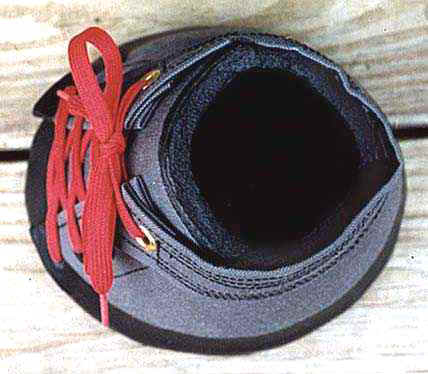
Sabre Sneaker (above)--"Keds" for horses!
(Bulky, but cushy)
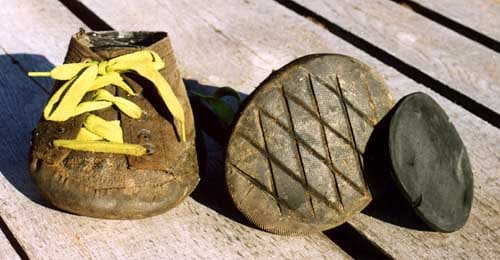
Sabre Sneakers hoofcare specialist Nancy Filbert had
her local shoe repair man modify
with a 21-iron black Vibram crepe bottom outsole, grooves added,
and a 12-iron cloud crepe insole. More durability, traction and cushioning.
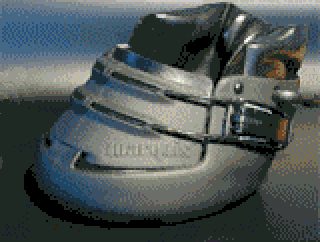
The Marquis
Marquis@TiermedizintechnikN. American Distributor of Marquis boots:
http://www.StrideEquus.com/ info@strideequus.com
1-800-403-0689 or 250-545-2878 fax
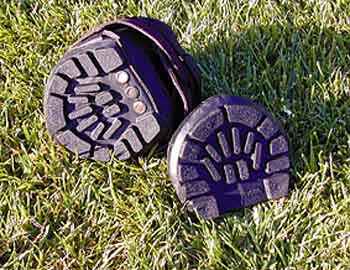
Old Macs--original version
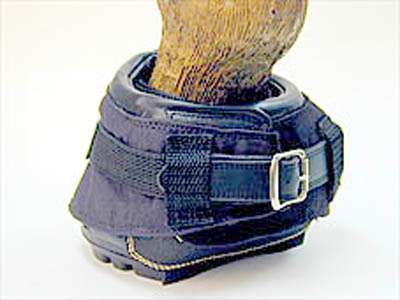
Old Macs
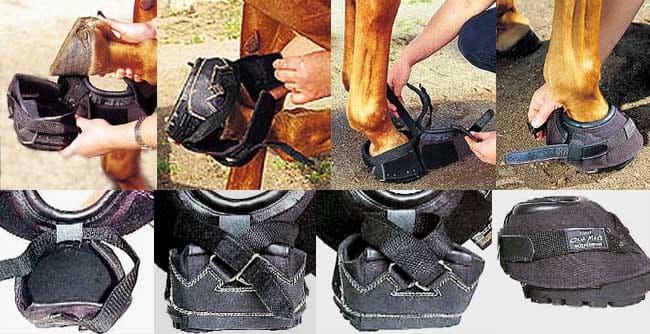
Old Macs--how to put on and adjust.
Old Macs--less likely to come off than most ready-made hoof boot options. Excellent traction and concussion absorption; designed for riding. Available in 9 sizes, somewhat adjustable. One of the better ready-made hoof boot options available. The Old Macs company was recently sold to Easy Care; available in many tack shops. However, these boots run very wide, and short from front to back for many horses. They do sell shims to stuff in the sides for narrow-footed horses, which is better than nothing, but not the real solution to the problem.
A testimonial about Old Macs from a truly hard-core user:
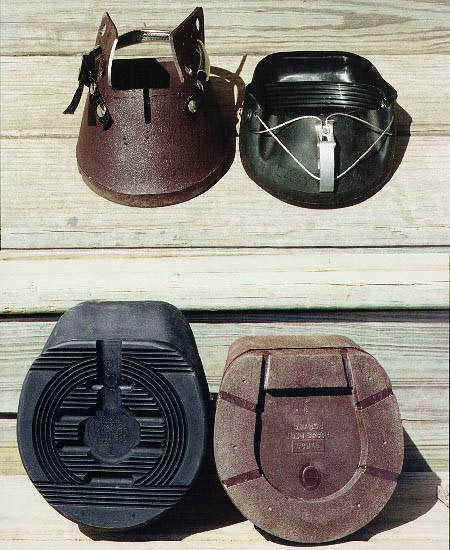
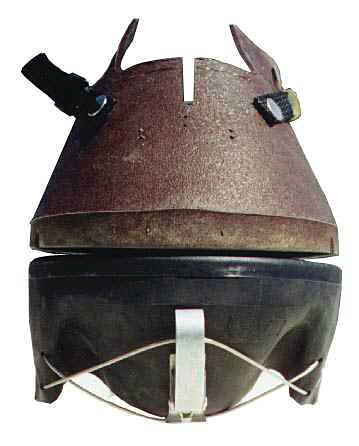
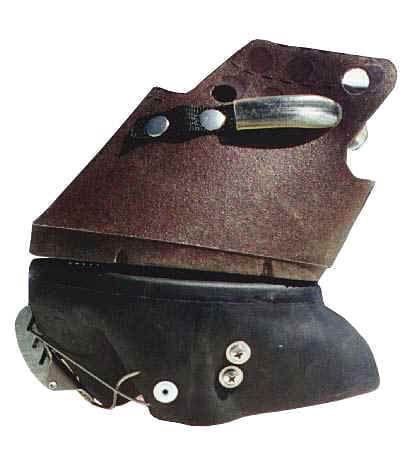
Click HEREComparing EasyBoots (black) and Swiss Horse Boots (brown)
EasyBoots:
More adjustments for a narrower foot with under-run heel.
Less likely to turn.
Top edge more likely to rub coronet band raw.
Puts more pressure on quarters, which can be uncomfortable
Available widely in many tack stores.
The sharp metal clamps can damage hoof wall in quarters.
Swiss Horse Boots:
Fit a foot best that is almost as wide as it is deep.
Can sore under-run heels.
More likely to turn.
Stays on just as well without lots of pressure on quarters.
Dr. Strasser uses these boots.
Both can have studs added. (Both are sizes 3's in these photos.)
You can see from the side view photo that EasyBoots
accommodate under-run heels better than Swiss Boots.
Swiss Boots available in the USA without custom fitting from:
Joseph Hoch, 624 Swarthmore, Pacific Palisades, CA 90272--Phone: 310-459-6920 Fax: 310-459-1258 He recommends that you mail or fax hoof tracings at the time you place an order to ensure getting you the right size. He does not offer custom fitting.
If your horse's feet are not wide and round, you may need to rivet in leather shims on the sides, as these run wide. Ask him for the pattern for the shims when you place your order. I do not believe he will be offering a custom fitting service as Jaime Jackson had been. (Jaime had been inserting and riveting in shims from customers' hoof tracings.) Another fitting note--if you heat them up with a heat gun right before you put them on, they may mold a bit to your horse's feet while they are still hot. They tend to be too wide for many horses. Dr. Strasser uses these boots.
Jaime Jackson discontinued selling Swiss Boots directly to customers for a while, as most needed some custom fitting. He was doing some shimming for customers based on hoof tracings, which were often working out OK, but not 100% of the time. For a while he was only selling them through people he has trained to do custom fitting on site. He has begun selling them to horse owners directly again, though, and has also written a book on how to fit Swiss Horse Boots. For more info, contact him at star@alltel.net
N. American Distributor of Marquis boots:
http://www.StrideEquus.com/
info@strideequus.com
1-800-403-0689 or 250-545-2878 fax
Toledo boots (from Brazil)
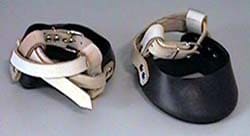
(They go more by width)
http://www.toledohorse.com.br/english/produtos/detalhes.asp?prod=6&cat=2&subcat
Boots that can be used to make daily soaking more convenient:
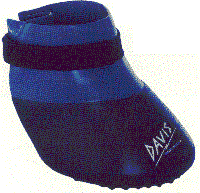
Davis soaking boots.

These Davis soaking boots have had
thicker soles attached by a shoe repair shop.
Davis soaking boot--more info: http://www.davismanufacturing.com/home.htm
Max kicks half the water out of these things, though.
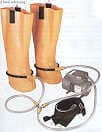
A rather elaborate soaking setup used on racetracks.
Boots available without circulator pump.
More info: http://www.phssaddlery.com/Default.htm
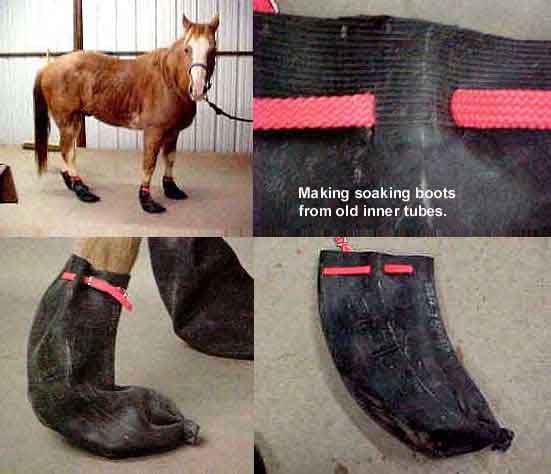
Home-made soaking boots made out old inner tubes.
Ends sealed with several tight twists of wire.
Thanks to Terri Gammage for these photos!
EasySoaker
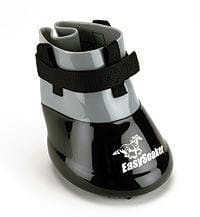
http://www.easycareinc.com/our_boots/easy_soakers/EasySoakers.aspx
Boots not as readily available in the USA:
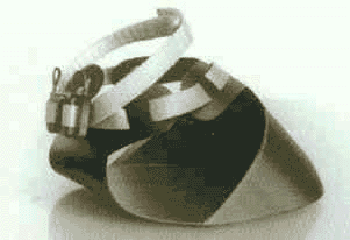
The Shoof
SHOOF INTERNATIONAL LTD
Private Bag 522, Cambridge
NEW ZEALAND
Tel +64-7827-3902, Fax +64-7823-0651
shoof@shoof.co.nz
http://www.shoof.co.nz/hshoof.html
(Probably more a hospital boot than for riding.)
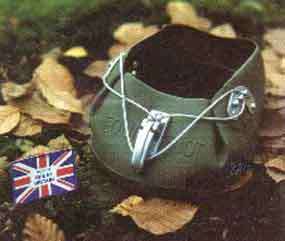
The EquiBoot
Fox Saddlers
Northgate, Wetherby,
West Yorkshire, England, LS22 4NX
Tel: +44 (0) 1937 586070 Fax: +44 (0) 1937 586070
http://www.foxsaddlers.co.uk/mall/FoxSaddlers/products/product-2130.stm
(The EquiBoot looks almost like the Easy Boots with the same steel grabs on the inside.)
For riding.
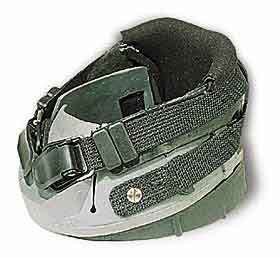
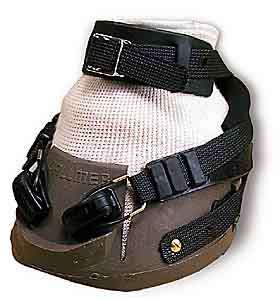
Dallmer clog
Dallmer GmbH + Co
Abteilung Hufschuhe
Alte Landstrae 3
D-21376 Salzhausen-Puttensen
Germany
Telefon: (0 41 72) 51 00
Telefax: (0 41 72) 72 94
e-mail: dallmer@jgb.de
http://www.dallmer.de/hufschuh/index.html
For riding. They also make a variety of glue-ons. Written in German. To translate,
use this web site: http://babelfish.altavista.com/translate.dyn
Common
boot sizes:
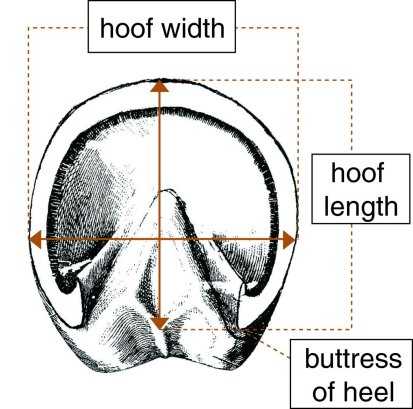
Width is widest part of the hoof. Length is
from toe to the backs of the heels, but NOT heel bulbs. You are
measuring a footprint.
(Click on thumbnail photos to see larger versions.)

Boa
Horse Boots
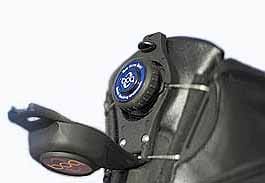
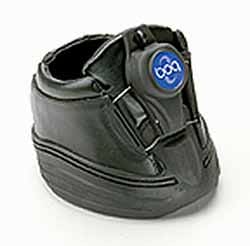

http://www.easycareinc.com/our_boots/boa_horse_boot/Boa_Boots.aspx
|
|
Wide (Inches) |
Wide (Metric) |
Long (Inches) |
Long (Metric) |
|
Size 00 |
3-1/2" - 3-7/8" |
8.9 - 9.8 cm |
4 - 4-3/8" |
10.1 - 11.1 cm |
|
Size 0 |
3-7/8" - 4-1/4" |
9.8 - 10.8 cm |
4-3/8" - 4-5/8" |
11.1 - 11.7 cm |
|
Size 1 |
4-1/4" - 4-7/8" |
10.8 - 12.4 cm |
4-5/8" - 5-1/8" |
11.7 - 13 cm |
|
Size 2 |
4-7/8" - 5-1/4" |
12.4 - 13.3 cm |
5-1/8" - 5-3/8" |
13 - 13.6 cm |
|
Size 3 |
5-1/4" - 5-7/8" |
13.3 - 14.9 cm |
5-3/8" - 5-7/8" |
13.6 - 14.9 cm |
|
Size 4 |
5-7/8" - 6-1/4" |
14.9 - 15.9 cm |
5-7/8" - 6-3/8" |
14.9 - 16.2 cm |
|
Size 5 |
6-1/4" - 6-11/16" |
15.9 - 16.9 cm |
6-1/4" - 6-11/16" |
15.9 - 16.9 cm |
|
Size 6 |
6-11/16" - 6-15/16" |
16.9 - 17.6 cm |
6-11/16" - 6-15/16" |
16.9 - 17.6 cm |
|
Size 7 |
6-15/16" - 7-3/8" |
17.6 - 18.6 cm |
6-15/16" - 7-3/8" |
17.6 - 18.6 cm |
|
Size 8 |
7-3/8" - 7-1/2" |
18.6 - 19.2 cm |
7-3/8" - 7-1/2" |
18.6 - 20 cm |
Castle Hoof Boots--similar to Horse-Mocs
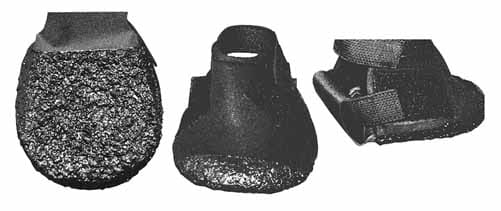
http://www.castleplastics.com/hoofboots.htm
|
|
Wide (Inches) |
Wide (Metric) |
Long (Inches) |
Long (Metric) |
|
Size 00 |
4-1/2" |
11.4 cm |
4-7/8" |
12.4 cm |
|
Size 0 |
4-3/4" |
12.1 cm |
5-1/8" |
13 cm |
|
Size 1 |
5" |
12.7 cm |
5-3/8" |
13.7 cm |
|
Size 2 |
5-3/8" |
13.7 cm |
5-3/4" |
14.6 cm |
|
Size 3 |
5-5/8" |
14.3 cm |
6-1/8" |
15.6 cm |
Cavallo Simple Boots
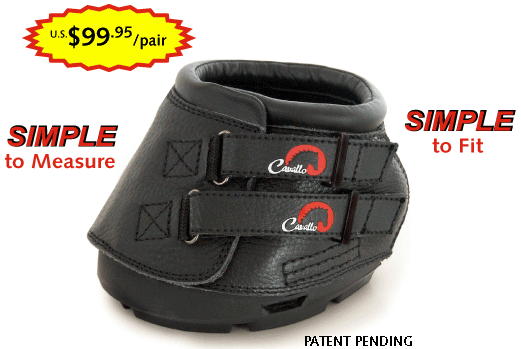
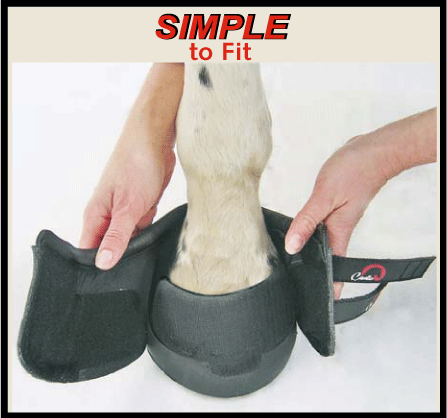
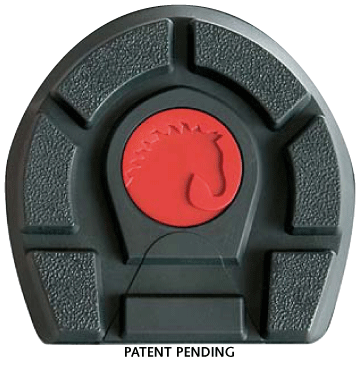

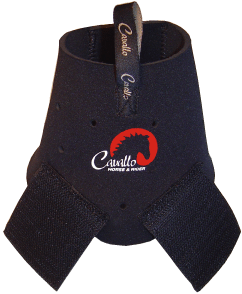
http://www.cavallo-inc.com/horseboots.html
|
|
Long (Inches) |
Long (Metric) |
|
Size 0 |
4" -
4-1/4" |
10.2 - 10.9 cm |
|
Size 1 |
4-5/16" -
4-9/16" |
11.0 - 11.7 cm |
|
Size 2 |
4-5/8" -
4-7/8" |
11.8 - 12.5 cm |
|
Size 3 |
4-15/16" -
5-3/16" |
12.6 - 13.3 cm |
|
Size 4 |
5-1/4" -
5-1/2" |
13.4 - 14.1 cm |
|
Size 5 |
5-9/16" -
5-13/16" |
14.2 - 14.9 cm |
|
Size 6 |
5-7/8" -
6-1/8" |
15.0 - 15.7 cm |
Davis Barrier boots

http://www.davismanufacturing.com/files/products/barrier_boot.php
Davis Mfg., 350 N. Center St., Brandon, WI 53919 ~
920-346-5815
|
|
Wide (Inches) |
Wide (Metric) |
Long (Inches) |
Long (Metric) |
|
Size 0000 |
3-1/4" |
8.3 cm |
3-1/2" |
8.9 cm |
|
Size 000 |
3-3/4" |
9.5 cm |
4" |
10.1 cm |
|
Size 00 |
4-1/4" |
10.8 cm |
4-1/2" |
11.4 cm |
|
Size 0 |
4-1/2" |
11.4 cm |
4-3/4" |
12.1 cm |
|
Size 1 |
4-3/4" |
12.1 cm |
5" |
12.7 cm |
|
Size 2 |
5-1/4" |
13.3 cm |
5-1/2" |
14 cm |
|
Size 3 |
5-1/2" |
14 cm |
6" |
15.2 cm |
|
Size 4 |
6" |
15.2 cm |
6-1/2" |
16.5 cm |
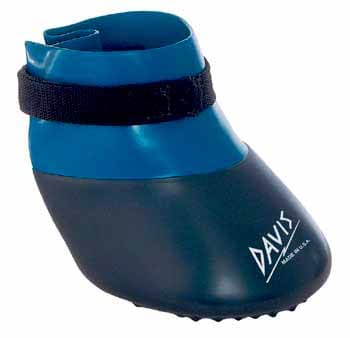
http://www.davismanufacturing.com/files/products/horse_boot.php
Davis Mfg., 350 N. Center St., Brandon, WI 53919 ~
920-346-5815
|
|
Wide (Inches) |
Wide (Metric) |
Long (Inches) |
Long (Metric) |
|
Size 00 |
3-3/4" |
9.5 cm |
4-1/4" |
10.8 cm |
|
Size 0 |
4-1/2" |
11.4 cm |
5" |
12.7 cm |
|
Size 1 |
5-1/4" |
13.3 cm |
5-5/8" |
14.3 cm |
|
Size 2 |
5-5/8" |
14.3 cm |
6-1/8" |
15.6 cm |
|
Size 3 |
6-1/4" |
15.9 cm |
7" |
17.8 cm |
|
Size 4 |
7-1/4" |
18.4 cm |
7-3/4" |
19.7 cm |
|
Size 5 |
8" |
20.3 cm |
8-1/2" |
21.6 cm |
|
Size 6 |
9-1/2" |
24.1 cm |
9-1/2" |
24.1 cm |
EasySoaker
http://www.easycareinc.com/our_boots/easy_soakers/EasySoakers.aspx
|
Size |
Wide (Inches) |
Wide (Metric) |
Long (Inches) |
Long (Metric) |
|
Small |
3-3/4" - 4-1/2" |
9.5 - 11.5 cm |
4-1/4" - 5" |
10.8 - 12.7 cm |
|
Medium |
4-1/2" - 5-1/4" |
11.5 - 13.4 cm |
5" - 5-3/4" |
12.7 - 14.6 cm |
|
Large |
5-1/4" - 5-3/4" |
13.4 - 14.6 cm |
5-3/4" - 6-1/4" |
14.6 - 15.9 cm |
|
X-Large |
5-3/4" - 6-1/4" |
14.6 - 15.9 cm |
6-1/4" - 6-3/4" |
15.9 - 17.2 cm |
|
XX-Large |
6-1/4" - 6-3/4" |
15.9 - 17.2 cm |
6-3/4" - 7-1/4" |
17.2 - 18.4 cm |
|
XXX-Large |
6-3/4" - 7-1/4" |
17.2 - 18.4 cm |
7-1/4" - 7-3/4" |
18.4 - 19 cm |
EasyBoots
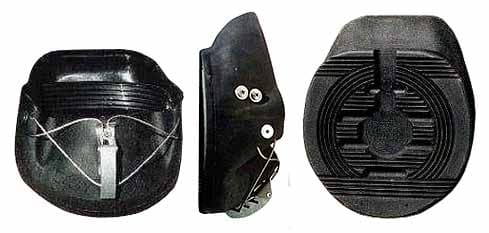
http://www.easycareinc.com/our_boots/easyboots/Easyboots.aspx
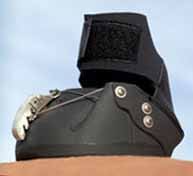
EasyBoots,
new 'Epic' model
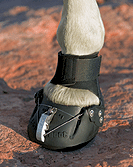
http://www.easycareinc.com/our_boots/easyboot_epics/Easyboot_Epic.aspx
Note--they have recently changed sizing a bit!
The Epic model is an Easy boot with
a gator permanently attached.
Easy boot gators can also be added to newer Easy boots.
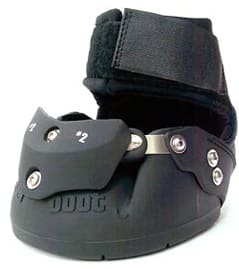
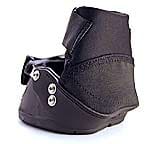
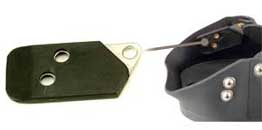
EasyBoots, 'Bare'
model
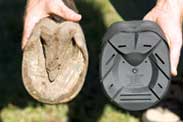
http://www.easycareinc.com/our_boots/easyboot_bare/Easyboot_Bare.aspx
EasyBoots, 'Grip' model
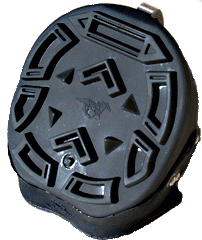
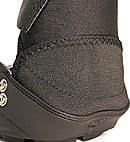
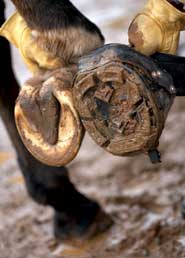
http://www.easycareinc.com/our_boots/easyboot_grip/Easyboot_Grip.aspx
(only available in sizes 0-3)
|
Size |
Wide (Inches) |
Wide (Metric) |
Long (Inches) |
Long (Metric) |
|
Pony |
3-3/16" - 3-3/8" |
8.1 - 8.6 cm. |
3-3/8" - 3-5/8" |
8.6 - 9.2 cm. |
|
000 |
3-3/8" - 3-13/16" |
8.6 - 9.7 cm. |
3-5/8" - 4-3/16" |
9.2 - 10.6 cm. |
|
00 |
3-13/16" - 4-3/8" |
9.7 - 11.1 cm. |
4-3/16" - 4 -5/8" |
10.6 - 11.7 cm. |
|
0 |
4-3/8" - 4-9/16" |
11.1 - 11.6 cm. |
4-5/8" - 4-15/16" |
11.7 - 12.5 cm. |
|
1 |
4-9/16" - 4-7/8" |
11.6 - 12.4 cm. |
4-15/16" - 5-1/8" |
12.5 - 13 cm. |
|
2 |
4-7/8" - 5-1/8" |
12.4 - 13 cm. |
5-1/8" - 5-9/16" |
13 - 14.1 cm. |
|
3 |
5-1/8" - 5-1/2" |
13 - 14 cm. |
5-9/16" - 5-15/16" |
14.1 - 15.1 cm. |
|
4 |
5-1/2" - 5-15/16" |
14 - 15.1 cm. |
5-15/16" - 6-7/16" |
15.1 - 16.4 cm. |
|
5 |
5-15/16" - 6-7/16" |
15.1 - 16.4 cm. |
6-7/16" - 6-7/8" |
16.4 - 17.5 cm. |
|
6 |
6-7/16" - 6-7/8" |
16.4 - 17.5 cm. |
6-7/8" - 7-7/16" |
17.5 - 18.9 cm. |
|
7 |
6-7/8" - 7-9/16"" |
17.6 - 19.2 cm. |
7-7/16" - 7-3/4" |
18.9 - 19.5 cm. |
Giddyap
Girl Soaking Boot

Available in only one size for "most" horses.
(Might hold water in better than EasySoakers and Davis Soakers.)
http://www.valleyvet.com/medicator-boots/Deluxe-Equine-Slipper
(Phone: 800-419-9524)
Healing Slipper
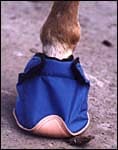
Original model on left; new, heavier
duty version on right that is less breathable
Very light duty--good for holding bandages onto sore horses, about $35 each
Heavier version "healing slipper"--available at (800)
419-9524 or
http://www.valleyvet.com/medicator-boots/Deluxe-Equine-Slipper
|
Size |
Maximum Hoof Width |
Maximum Hoof Length |
|
Small |
4-3/4" (12.1 cm) |
4-3/4" (12.1 cm) |
|
Medium |
5-3/4" (14.6 cm) |
6" (15.2 cm) |
|
Large |
6-1/4" (15.9 cm) |
6-1/2" (16.5 cm) |
|
Extra Large |
7" (17.8 cm) |
7-1/4" (18.4 cm) |
HOOFix Boots, abscess packs, pads, etc.


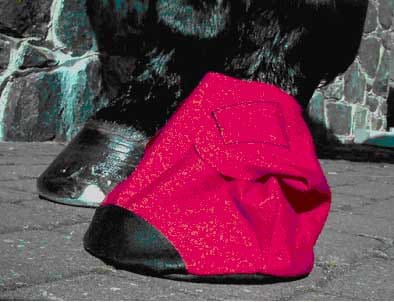
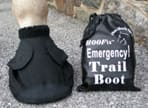
|
HOOFix treatment |
Maximum Hoof Width
|
Maximum Hoof Length |
|
Medium Pony |
4-1/2" (11.4 cm) |
5-1/4" (13.3 cm) |
|
Regular Horse |
5-3/4" (14.6 cm) |
6-1/2" (16.5 cm) |
|
Large |
6-1/2" (16.5 cm) |
6-3/4" (17.1 cm) |
|
HOOFix emergency boot and trail boot |
Maximum Hoof Width
|
Maximum Hoof Length |
|
|
5" (12.7 cm) |
6" (15.2 cm) |
|
Regular Horse |
5-1/2" (14 cm) |
6-1/2" (16.5 cm) |
|
If your horse wears shoe size: |
000 |
00 |
0 |
1 |
2 |
3 |
|
HOOFix Abscess Kit |
Medium Pony |
Medium Pony |
N/A |
Regular
Horse |
Regular
Horse |
Large Horse |
|
HOOFix Treatment
Boot |
Medium Pony |
Medium Pony |
N/A |
Regular
Horse |
Regular
Horse |
Large Horse |
|
HOOFix Emergency
Trail Boot |
N/A |
N/A |
Small Horse |
Small Horse |
Regular
Horse |
N/A |
|
HOOFix Emergency
Boot |
N/A |
N/A |
Small Horse |
Small Horse |
Regular
Horse |
N/A |
Hoof Wings
(An early version; design still
being improved.)
Sizes in green type
are available NOW; in
pink type, available LATER
Blue type--insoles standard; new, improved
attachment system
Red type--mule size coming soon, insoles
standard;
new, improved attachment system
http://www.HorseSneaker.com/hoofwings.htm
Measure length from end of toe to back of frog.
Click HERE for more detailed measuring instructions.
|
Wide (inches) |
Wide (Metric) |
Long (inches) |
Long (Metric) |
|
2" |
5.1 cm |
2-1/2" |
6.4 cm |
|
2.5" |
6.4 cm |
3" |
7.6 cm |
|
3" |
7.6 cm |
3-1.2" |
8.9 cm |
|
3-1/2" |
8.9 cm |
4" |
10.2 cm |
|
4" |
10.2 cm |
4-1/2" |
11.4 cm |
|
4-1/4" |
10.8 cm |
4-3/4" |
12.1 cm |
|
4-1/2" |
11.4 cm |
5" |
12.7 cm |
|
4-1/2" |
11.4 cm |
5-1/2" |
14 cm |
|
4-3/4" |
12.1 cm |
5-1/4" |
13.3 cm |
|
5" |
12.7 cm |
5" |
12.7 cm |
|
5" |
12.7 cm |
5-1/2" |
14 cm |
|
5-1/4" |
13.3 cm |
5-3/4" |
14.6 cm |
|
5-1/4" HIND |
13.3 cm |
6" |
15.2 cm |
|
5-1/2" |
14 cm |
6" |
15.2 cm |
|
5-3/4" |
14.6 cm |
6-1/4" |
15.9 cm |
|
6" |
15.2 cm |
6" |
15.2 cm |
|
6" |
15.2 cm |
6-1/2" |
16.5 cm |
|
6-1/2" |
16.5 cm |
7" |
17.8 cm |
|
6-3/4" |
17.2 cm |
7-1/4" |
18.4 cm |
|
7" |
17.8 cm |
7-1/2" |
19.1 cm |
|
7-1/2" |
19.1 cm |
8" |
20.3 cm |
|
8" |
20.3 cm |
8-1/2" |
21.6 cm |
|
8-1/2" |
21.6 cm |
9" |
22.9 cm |
|
9" HIND |
22.9 cm |
9-1/2" |
24.1 cm |
(In
the future, they hope to offer sizes in 1/4" (. 6 cm) increments, and also
sizes for narrower feet 1" (2.5 cm) longer than wide.)
Horse-Mocs--custom made
from hoof tracings
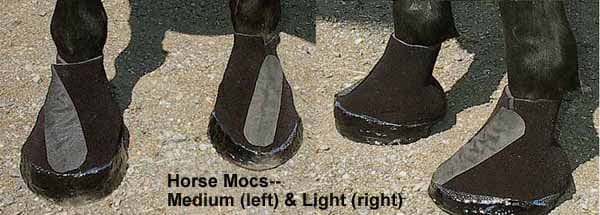
No standard sizes--you send in tracings for custom boots.
http://www.horsemocs.com/index2.htm
Marquis boots
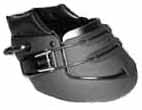
(They go more by width)
N. American distributor: http://www.StrideEquus.com/
info@strideequus.com
Note--they have recently changed sizing a bit!
|
|
Wide (Inches) |
Wide (Metric) |
|
Size 0 |
3-3/4" - 4-5/16" |
9.5 - 10.9 cm |
|
Size 1 |
4-3/8" - 4-11/16" |
11 - 11.9 cm |
|
Size 2 |
4 3/4" - 5-1/16" |
12 - 12.9 cm |
|
Size 3 |
5-1/8" - 5-7/16" |
13 - 13.7 cm |
|
Size 4 |
5-7/16" - 5-13/16" |
13.8 - 14.7 cm |
|
Size 5 |
5-7/8" - 6-3/16" |
14.8 - 15.7 cm |
Old Macs (original version)

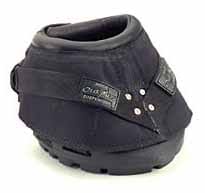
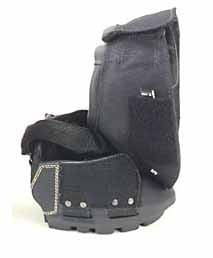
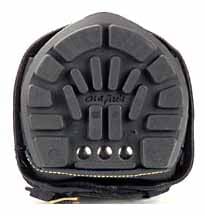
(They go more by length; if your
width is a 2 and length is a 5,
use a 5 with shims in the side. Run wide, and
short front-to-back.)
http://www.easycareinc.com/our_boots/old_macs/Old_Macs.aspx
|
|
Wide (Inches) |
Wide (Metric) |
Long (Inches) |
Long (Metric) |
|
Size 0 |
4-1/8" - 4-5/16" |
10.5 - 11 cm |
3-3/4 - 3-15/16" |
9.5 - 10 cm |
|
Size 1 |
4-5/16 - 4-1/2" |
11 - 11.5 cm |
3-15/16" - 4-1/8" |
10 - 10.5 cm |
|
Size 2 |
4-1/2" - 4-11/16" |
11.5 - 12 cm |
4-1/8" - 4-5/16" |
10.5 - 11 cm |
|
Size 3 |
4-11/16" - 4-7/8" |
12 - 12.5 cm |
4-5/16" - 4-1/2" |
11 - 11.5 cm |
|
Size 4 |
4-7/8" - 5-1/16" |
12.5 - 13 cm |
4-1/2" - 4-11/16" |
11.5 - 12 cm |
|
Size 5 |
5-1/16" - 5-1/4" |
13 - 13.5 cm |
4-11/16" - 4-7/8" |
12 - 12.5 cm |
|
Size 6 |
5-1/4" - 5-7/16" |
13.5 - 14 cm |
4-7/8" - 5-1/16" |
12.5 - 13 cm |
|
Size 7 |
5-7/16" - 5-5/8" |
14 - 14.5 cm |
5-1/16" - 5-1/4" |
13 - 13.5 cm |
|
Size 8 |
5-5/8" - 5-13/16" |
14.5 - 15 cm |
5-1/4" - 5-7/16" |
13.5 -14 cm |
Old Macs G2 (updated version)

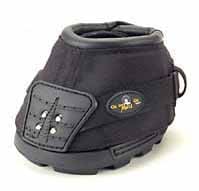
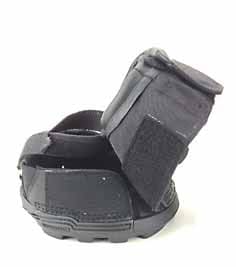
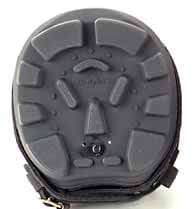
(The new version of the Old Macs are
a more normal shape than the old version;
they are not wider than long, as the old version was, and fit more horses, and
even some mules.
The breakover on the bottoms no longer has the point
that the old version did.)
http://www.easycareinc.com/our_boots/old_macs_G2/Old_Macs_G2.aspx
|
|
Wide (Inches) |
Wide (Metric) |
Long (Inches) |
Long (Metric) |
|
Size 0 |
3-15/16" - 4-1/8" |
10.0 - 10.5 cm |
4-1/8" - 4-5/16" |
10.5 - 11.0 cm |
|
Size 1 |
4-1/8" - 4-5/16" |
10.5 - 11.0 cm |
4-5/16" - 4-1/2" |
11.0 - 11.5 cm |
|
Size 2 |
4-5/16" - 4-1/2" |
11.0 - 11.5 cm |
4-1/2" - 4-3/4" |
11.5 - 12.0 cm |
|
Size 3 |
4-1/2" - 4-3/4" |
11.5 - 12.0 cm |
4-3/4" - 4-15/16" |
12.0 - 12.5 cm |
|
Size 4 |
4-3/4" - 4-15/16" |
12.0 - 12.5 cm |
4-15/16" - 5-1/8" |
12.5 - 13.0 cm |
|
Size 5 |
4 15/16" - 5 1/8" |
12.5 - 13.0 cm |
5 1/8" - 5 5/16" |
13.0 - 13.5 cm |
|
Size 6 |
5-1/8" - 5-5/16" |
13.0 - 13.5 cm |
5-5/16" - 5-1/2" |
13.5 - 14.0 cm |
|
Size 7 |
5-5/16" - 5-1/2" |
13.5 - 14.0 cm |
5-1/2" - 5-11/16" |
14.0 - 14.5 cm |
|
Size 8 |
5-1/2" - 5-11/16" |
14.0 - 14.5 cm |
5-11/16" - 5-15/16" |
14.5 - 15.0 cm |
|
Size 9 |
5-11/16" - 5-15/16" |
14.5 - 15.0 cm |
5-15/16" - 6-1/8" |
15.0 - 15.5 cm |
|
Size 10 |
5-15/16" - 6-1/8" |
15.0 - 15.5 cm |
6-1/8" - 6-5/16" |
15.5 - 16.0 cm |
Renegade Hoof Boots
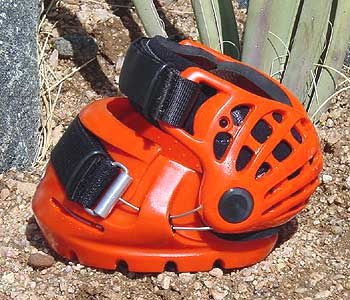
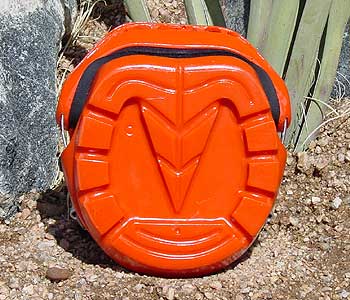
http://www.renegadehoofboots.com/
Available through trimmers:
info@renegadehoofboots.com
Another possible source: Jeannean Mercuri, 631-345-2644,
info@gotreeless.com
Also available in these colors: red, yellow, copper, burgundy, jade, brown and black.
|
|
Wide (Inches) |
Wide (Metric) |
Long (Inches) |
Long (Metric) |
|
Size 00 |
4-3/16" |
10.7 cm |
4-3/4" |
12.1 cm |
|
Size 0 |
4-9/16" |
11.6 cm |
5" |
12.7 cm |
|
Size 1 |
4-3/4" |
12.1 cm |
5-1/4" |
13.4 cm |
|
Size 2 |
5" |
12.7 cm |
5-1/2" |
14 cm |
Sabre Sneakers--standard sizes
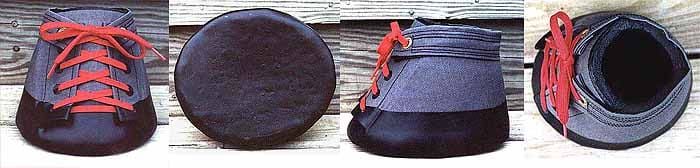
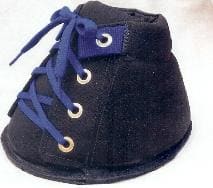
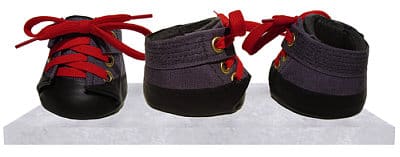
Older design above; new rehab
boot, and mini version below.
(They go more by width)
www.sabresneakers.com
203-274-6551
Ordering info:
www.sabresneakers.com/orderinganddealers.html
|
Size |
Horseshoe Size Equiv. |
Wide (Inches) |
Wide (Metric) |
|
Mini |
|
2" - 2-1/2" |
5.1 - 6.4 cm |
|
Mini B |
|
2-1/2" - 3" |
6.4 - 7.6 cm |
|
Pony |
|
3" - 3-1/2" |
7.6 - 8.9 cm |
|
A |
00 |
3-3/4" - 4" |
9.5 - 10.2 cm |
|
B |
0 |
4-3/8" - 4-3/4" |
11.1 - 12.1 cm |
|
C |
1 |
4-7/8" - 5-1/4" |
12.4 - 13.3 cm |
|
D |
2-3 |
5-3/8" - 5-3/4" |
13.7 - 14.6 cm |
|
E |
4 |
5-7/8" - 6-1/4" |
14.9 - 15.9 cm |
Soft-Ride boots and
insoles
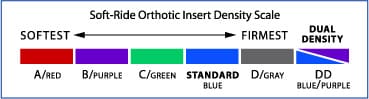
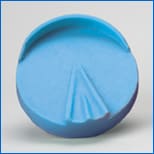
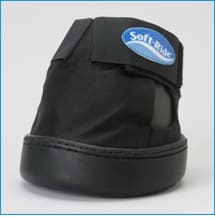
(A superior hospital-type boot with
insoles of 5 densities available.
I do not recommend
the dual density insole. In many cases you may want to shave off the frog
support. The
insoles' heels are slightly thicker than the toes. In cases where there
is a real sole deficit
in the toe, you could reverse the pads and raise the toes more than the heels
to get a
ground-parallel coffin bone once the frog support is shaved off level with the
rest of the
pad. Order primarily by width. Their orthotics also fit into Cavallo
Simple boots.
More info: 866-763-8743.) http://www.soft-ride.com
|
|
Wide |
Wide |
Long |
Long |
|
Size 1 (XXL) |
6-3/4" |
17.2 cm |
7-3/4" |
19.7 cm |
|
Size 2 (XL) |
6-1/2" |
16.5 cm |
7-1/4" |
18.4 cm |
|
Size 3 (L) |
6-1/8" |
15.6 cm |
6-3/8"" |
16.2 cm |
|
Size 4 (ML) |
5-5/8" |
14.3 cm |
6" |
15.2 cm |
|
Size 5 (M) |
5-3/8" |
13.7 cm |
5-1/2" |
14 cm |
|
Size 6 (MS) |
5-1/8" |
13 cm |
5-1/4" |
13.3 cm |
|
Size 7 (S) |
4-1/2" |
11.4 cm |
5" |
12.7 cm |
|
Size 8 (XS) |
3-7/8" |
9.8 cm |
4-1/4" |
10.8 cm |
|
Size 9 (XXS) |
3-5/8" |
9.2 cm |
3-3/4" |
9.5 cm |
Swiss boots
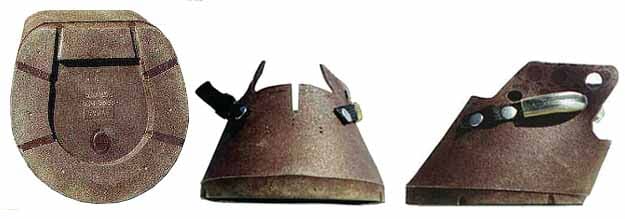
Order more by length than width; you may need to shim width.
These run wide, and short from front to back.
More info: http://www.swisshorseboot.de/com/html4/boot.html
|
|
Wide (Inches) |
Wide (Metric) |
Long (Inches) |
Long (Metric) |
|
Size 00 |
3-3/8" - 4" |
8.5 - 10 cm |
4" |
10 cm |
|
Size 0 |
4" - 4-1/2" |
10 - 11.3 cm |
4-5/16" |
11 cm |
|
Size 01* |
4-1/2" - 5" |
11.3 - 12.5 cm |
4-3/4" |
12 cm |
|
Size 1 |
4-1/2" - 5" |
11.3 - 12.5 cm |
4-3/4" |
12 cm |
|
Size 2 |
5" - 5-3/8" |
12.5 - 13.5 cm |
5-1/8" |
13 cm |
|
Size 3 |
5-3/8" - 5-3/4" |
13.5 - 14.5 cm |
5-1/2" |
14 cm |
|
Size 4 |
5-3/4" - 6-1/8" |
14.5 - 15.5 cm |
6" |
15.2 cm |
*(Special
version for Arabs and TBs)
Toledo boots (from Brazil)
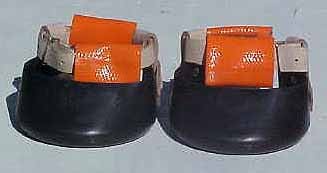
(They go more by width)
http://www.toledohorse.com.br/english/produtos/detalhes.asp?prod=6&cat=2&subcat
|
|
Wide (Inches) |
Wide (Metric) |
|
Size 0 |
4 - 4-3/8" |
10 - 11 cm |
|
Size 1 |
4-3/8 - 4-3/4" |
11 - 12 cm |
|
Size 2 |
5-1/8 - 5-1/2" |
13 - 14 cm |
To order Jaime Jackson's Books:
(In association with Amazon.com. Online ordering;
credit card orders accepted.)
The Natural Horse--Foundations for Natural Horsemanship--Click here
Studies of wild horses and herd life; lessons from the wild applied to trimming,
housing, riding, horse handling and hoof care. In this earlier book, he was still
afraid to come out and endorse riding without shoes because his other findings might not
be "heard" by the farrier community. Wild hoof studies presented are very
interesting.
Founder: Prevention and Cure The Natural Way--Click here
Jackson advocates keeping a horse in the environment and on the diet of the wild
horses he studied--desert-like conditions, varied but sparse vegetation, rough terrain,
etc. For those of us in soft terrain with lush grass, he recommends dry-lotting,
which I disagree on; I believe it still can be made to work. Some discussion of
trimming, and he warns you about some high-tech shoeing options he does not believe in
that are in common use.
To order Dr. Strasser's Books:
The Horse's Hoof Magazine at www.TheHorsesHoof.com carries the
Strasser books. (Online ordering; credit card orders accepted.)
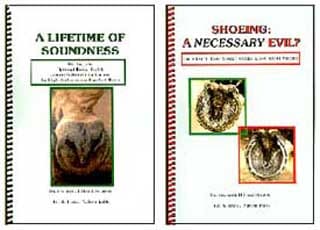
A Lifetime of Soundness, by Dr. Hiltrud Strasser and Sabine Kells. An
overall introduction to the Strasser method of rehabilitation, why keeping the horse as
naturally as possible is better than stabling, stall confinement, shoeing,
etc.
Shoeing: A Necessary Evil?, by Dr. Hiltrud Strasser and Sabine
Kells. Focusing more on what is detrimental about shoeing.
Available....At Last!!!!
"The Hoofcare Specialist’s Handbook: Hoof Orthopedics and Holistic Lameness Rehabilitation," by Hiltrud Strasser, DVM, and Sabine Kells. Over 800 pages. The textbook for the Strasser hoofcare specialist course. For ordering info, Click HERE.
To order additional recommended
books on lameness:
(In association with Amazon.com. Online ordering;
credit card orders accepted.)
The Lame Horse, by James Rooney, DVM--a classic in its field. All types
of lameness covered. Cross-sections, diagrams, x-rays, diagnosis, treatment
options. Dr. Rooney is pro-barefoot. Click here
Color Atlas of the Horse's Foot, by Christopher C. Pollitt, PhD., MRCVS--remarkable
book, numerous dissections, cross-sections, all sorts of lameness and abnormalities
shown. Expensive, but worth it! Click here
Contact info:
Dr. vet. med. Hiltrud Strasser
ESHOP GmbH
Blaihofstr. 42/1
72074 Tbingen
Germany
Tel/FAX: (011) 49-7071-87572
Hufklinik@t-online.de
www.hufklinik.de (This
site is in German; an English version may be available later.)
For the latest details on the Strasser hoofcare specialist course, or for Strasser clinics in N. Ameica, contact Todd@ZenEquine.com or visit www.strasserhoofcare.com
Sabine Kells
ESHOP Canada
PO Box 44
Qualicum Beach, BC V9K 1S7, Canada
IN SUMMARY—The best thing you can do for founder is a frequent, wild horse-shaped barefoot trim!
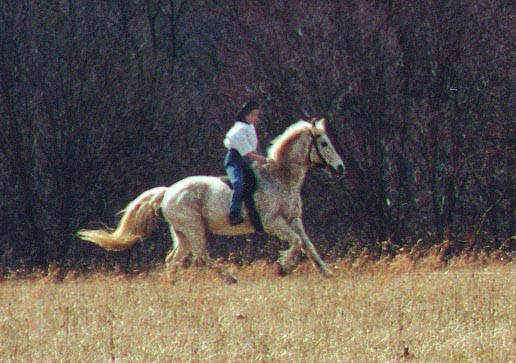
Valerie riding Max, 3-29-98. Fighting the bit and wanting to bolt!
3/29/98, my friend, Valerie, came out to see my old horse again. She had helped me pull Max’s shoes back in June '97, when I began my hoof experiments, but had not seen him since. She was shocked at the changes in his feet for the better. I invited her to take a spin on him in the pasture. She is very athletic and has a good seat, but the old man got so steamed up, galloping around the pasture and making sudden moves, that he actually dumped her! She tells me it will be hard to live down the ignominy of being dumped by a coming 25-year-old "cripple!" After he threw her, he flew down to the pasture gate, and did a sliding stop to see if the hot wire was really down. When he determined it was, he high-tailed it down the road to the neighbors’. Bless him! We were both laughing with delight to see the old man rip-snorting around! Valerie said that when she was on him, he felt much more long-strided, fluid, surefooted and fast, compared to how he had felt under her when he was still shod.
…Progress, at last!
Not only does this style of trimming help correct founder, it makes a horse more sure of himself and more athletic. It also improves posture, the topline, and relieves or prevents back problems.
There must be a reason the dressage horses of the Spanish Riding School are ridden barefoot! Recently received a copy of an article from Australia, in the April/May '95 issue of Hoofbeats, by Dr. Jenni Harbisher, BSc BVMS, USA certified veterinary chiropractor, entitled: "New directions in farriery enhance movement and decrease incidence of lameness." Dr. Harbisher describes natural feet much as Jaime has, in terms of being short toe, low heel, but goes on to make the following points:"The horse's sense of balance, of where he is in space and how he interacts with gravity, comes from special proprio-receptive centres around the pedal bone, so that the natural horse always knows where his feet are. Therefore, it is imperative for good balance that the farrier....shapes the foot....so this important symmetry is preserved.....(so) that he can be the incredibly athletic and agile animal that he is."
"...we have a responsibility to preserve the natural parameters, otherwise we are drastically changing the way the foot interacts with the ground, with potentially disastrous consequences up the entire leg and spine."
"A badly shod horse, or a horse...without regular foot trimming, will have poor posture, no top line...(and) will hardly ever stand square for long and may be reluctant to move much or go forward willingly when ridden."
"Top line in a horse can actually be created...by correct, balanced shoeing...Top line cannot be created by a mere one hour of forced schooling a day; it is mainly influenced by how the horse stands the other 23 hours a day." (I object to her talking about shoeing here. It should read "correct, balanced trimming.")
"Long toes on a galloping horse are equivalent to asking a person to sprint with swim fins on. The long toe delays breakover so much that the foot virtually snaps off the ground, and then when it lands it smashes down heel first....a young horse in training, shod with the favourite long-toed, low-heeled racing style...(will soon) totally smash the heel."
"When the heels hurt every time the foot lands, the horse is desperately trying to avoid the pain by carrying his head high with a ewe-neck, tending to over-use his hind legs and totally jam the entire lumbar area to compensate....either knees or fetlocks will be tremendously insulted, if not destroyed before the feet,...in particular the navicular bone."
For a more detailed look at how the hooves are dressed can effect the entire body, see the farriery chapter in Mary Wanless' excellent book, "For the Good of the Horse." (1997, Trafalgar Square Publishing, N. Pomfret, VT) Mary goes into a long description of how having the base of support too far out in front of the leg have far-reaching effects on the horse's entire body, carriage and way of going. This illustration from her book shows how these forces translate into a hollow-backed stance in the case of a horse with long toes and low heels--first illustration--and how bringing the base of support back under him encourages a round-backed way of going in the second illustration:
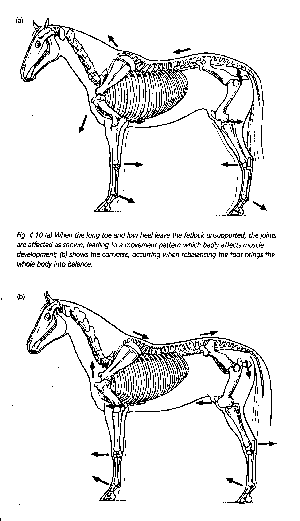
Illustration from "For the Good of the Horse,"
courtesy of Mary Wanless.
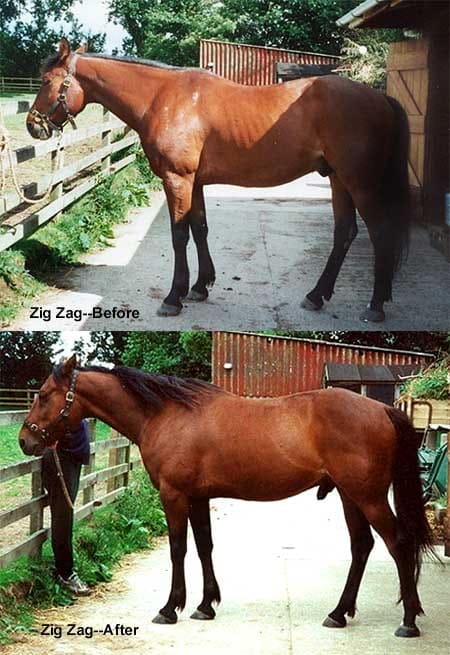
Zig Zag's topline, shoulder and pastern angles changing in response
to how he is being trimmed. Photos, Jane Harbidge, UK hoofcare specialist.
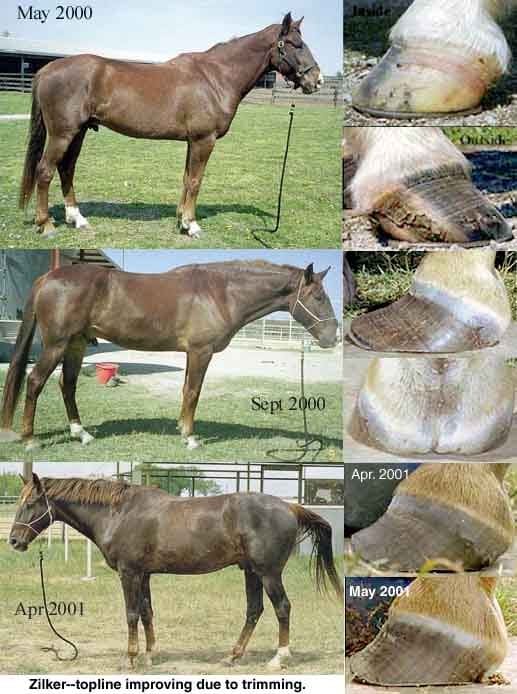
Zilker's topline is improving, and his shoulder and pastern
angles
are changing, in response to how he is being trimmed.
Shoulder and pastern angles are not fixed, contrary to popular belief.
Toes not backed up nearly enough in Sept. of 2000, and
still not
enough hairline slope, but enough improvement to change posture.
(Photos courtesy of Nicole Winstead.)
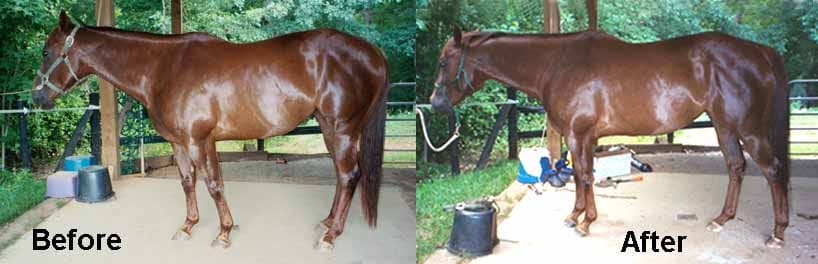
A navicular horse Sandy Judy worked on--see Barefoot success stories
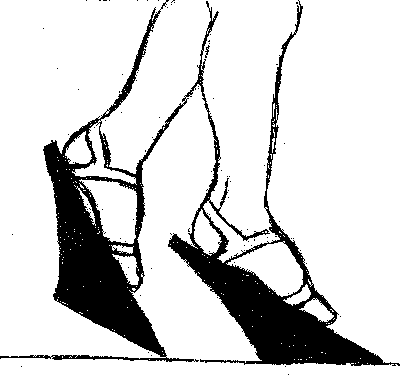
I would further like to show a human approximation of high heels and long toes, which would put the base of support out in front of the bone column. while this is not directly comparable to a horse's hoof--a more accurate equivalent would be a human standing on one toe--walking on something this high-heeled and under-slung can at least give a person an idea of what it must be like for the horse to be high-heeled and under-slung. Imagine trying to do anything athletic in these shoes! You'd be stubbing your toes and stumbling all over the place, and stretching the tendons down the backs of your legs with every step. Movement would involve constant muscle strain instead of ease and fluidity. Yet we expect our performance horses to "dance" with similar handicaps when we shoe or trim with high, under-run heels and long toes.
In my personal experience with Max, I have found that keeping his feet in a wild horse shape has made him smoother and more sure-footed under saddle, now that I have started riding him again. The trimming has had good effects on his back as well. I am no longer seeing him "standing with all 4 legs in a teacup" to relieve back pain, as he had for years. You can brush his back now without him dipping and flinching. For the first time, the saddle rides level, rather than wanting to roll over to the right side, which it had done since I bought him in 1987. The only times in the past that the saddle stayed level were right after he'd had a chiropractic adjustment. In other words, his back is staying in alignment all by itself now that I have changed the way his feet are done. I also went to see a friend's mare recently. I first trimmed her mare about 4 months ago, and showed her how to do it. She has taken over the mare's trimming, and getting vastly better-looking feet. The walls are thicker and sounder. The change in this mare's posture and looks was really striking! She had a pronounced ewe-neck when I first trimmed her. Her neck is so much improved now it's hard to believe it's the same horse!
Below is a letter from Shelly Kayser, who participated in the June 26-9, 1999 Strasser clinic, and whose mare, Sugar's, feet are in the first photo on my web page. Not only is this approach getting Sugar well again, but it is greatly improving her overall health and performance. Despite what we all hear about gaited horses being "ruined" if they aren't in toe weights, her easy gait has actually improved. Jaime Jackson used to trim a whole herd of Peruvian Pasos, and he tells me they gaited just fine with a mustang trim.
You don't give up performance with this trim--ultimately, you enhance it!| From: YUKON31597@aol.com To: gretchenfathauer@ee.net <gretchenfathauer@ee.net> Date: Sunday, August 08, 1999 7:46 PM Hi Gretchen: What have you been doing lately? I've been out trail riding with a couple different people. All the horses I'm riding with are shod. Everyone I have ridden with lately has made comments about how sure-footed my horse is. The shod horses to me look way off balance like they are struggling to find the right place to put their hooves. And I believe when my horses were shod they traveled in the same way, along with a little "attitude." I have noticed a huge change in Butter's attitude this season with riding her barefoot in the Strasser hoof trim. She is a different horse. For the first time out on the trail this season Butter's feet don't hurt. Her ability to negotiate any hill (up or down) is incredible. Beverly and I have been out on two rides and all we can talk about is how this Strasser theory and trimming has affected the performance and behavior of our horses. It's great. Keep in touch Shelly From: YUKON31597@aol.com To: gretchenfathauer@ee.net <gretchenfathauer@ee.net> Date: Friday, August 13, 1999 3:30 PM Subject: what's new There are a lot of things that are happening between us and our horses since we began all of the Strasser theory, the natural living conditions, and the trimming of the feet. It's difficult to put this into words because I'm not a very good writer. Some of the things I have noticed about our horse (Butter, a Tenn. Walker) is the way the horse travels on the trail, up and down the hills and the confidence the horse has in the placement of her feet. I also no longer need to have a hold of the horse’s head to slow her down when traveling down hill. I let the rein all the way out to give the horse her head to balance herself, and she uses her automatic breaking system (skid brakes). When Butter was shod she would rush down the hill on the forehand with clumsy foot placement, then crow hop a few steps at the bottom. This would happen about 50% of the time, and this is how we rode for the last four years. We got Butter when she was 2 and had her shod during the riding season for the last 4--1/2 years. Her training background is John Lyons-style, and her personality is very quiet and easy-going. This season is the first time I have ridden her barefoot in the Strasser trim, which we have been working on for 6 months since Feb. 1999. Other riders have noticed how sure-footed and steady she is. They think it's the training, but it's not; it's the bare feet, along with good humane training. Another thing about having healthy feet is the horses’ skin is also much healthier. For the last few years Butter always had scratches, a fungus on her lower legs and girth area. Here we are into August, and no sign of any fungus on her anywhere. As we advance
in our training I want Butter to transform herself from a gaited horse to a hunter jumper.
Just recently I have started to work on that, now that Butter can feel her whole body all
the way down through her feet to the ground. In just a short time she can easily pick up
either lead, canter (a true 3-beat canter) over ground poles, trot out a few steps, and
then return back to a very smooth amble gait. I do practice the gait more than I allow her
to canter. I ride her in a hackamore to give her more freedom in her mouth. Butter is a
very happy horse at home and on the trail. Keep in touch |
| From: "Nancy Tebeau" ntebeau@lightspeed.net Date: Mon Mar 5, 2001 1:42pm Subject: Re: First Barefoot Weekend!! (long) I went to a Martha Olivo clinic on Saturday and took my paint mare. I'm truly amazed at what went on. She has been used for cutting and cattle work and has contracted heels and a very straight, high hoof and heel. We did the Strasser trim on her, and her previously very straight shoulder now has a pretty good slope to it. She also isn't as steep in the croup, and overall has better conformation than before. She normally is very nervous, but actually went to sleep while Martha trimmed her and we all looked on just a few inches away. The length of her stride has really increased and she isn't the least bit sore. Instead of traveling like a sewing machine, she now has suspension, and is much smoother to ride. She is a different horse. Even my husband remarked she looked different. I wish now I had a before and after video, it was so dramatic. The trim makes so much sense to me. Her bars were very overgrown and you could see the bruising that took place under them on the sole. We held the old horseshoes up to her foot, and her foot was two sizes larger! I can't tell you how skeptical I was before, but I'm a true believer now. I just feel so guilty I didn't know about this sooner. Nancy |
Back to home page--Table of Contents
Article in sections with "thumbnail" photos for
fastestdownloads:
1 9 17
2 10 18
3 11 19
4 12 20
5 13 21
6 14 22
7 15 23
8 16 24
NAVICULARArticle in sections with full-sized photos for print-outs:
1 9 17
2 10 18
3 11 19
4 12 20
5 13 21
6 14 22
7 15 23
8 16 24
NAVICULARTo Strasser case studies--thumbnail photos for
fasterdownloads
To Strasser case studies--large photosPlease sign my guest book! Photos of my pets My farm
Share Barefoot success stories on this page
Buy or sell used HORSE BOOTS Natural board Barn Listings
Click here to subscribe to naturalhorsetrim
(I strictly moderate this listserv to weed out "fluff.")Send Email to Gretchen Fathauer, or call (740) 674-4492
Copyright by Gretchen Fathauer, 2013. All rights reserved.